
CineSavant Column
Hello!
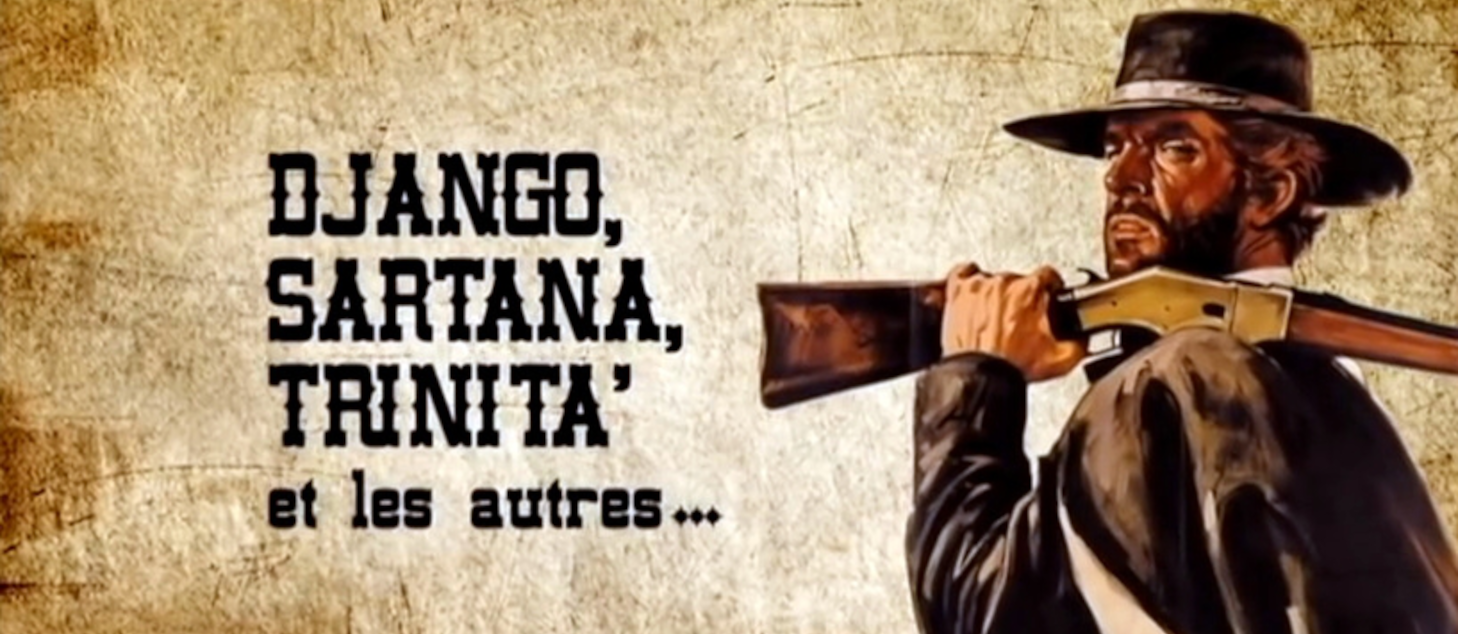
The unstoppable Michael McQuarrie has found a quality item that fans of Spaghetti westerns will want to see, if it isn’t already old news to one and all. This one-hour TV show from 2014 covers the ‘other’ Italo western franchises that the faithful swear by, Django, Sartana, Trinità and the Others…
This encoding is in French only; a friend jerry-rigged some English subs for me, by what process I don’t know; I’m told that many resourceful fans can do the same. The participants in the intereview docu inlcude Sergio Sollima, Ernesto Gastaldi, Terence Hill, and Bud Spencer. It’s a very slick production.
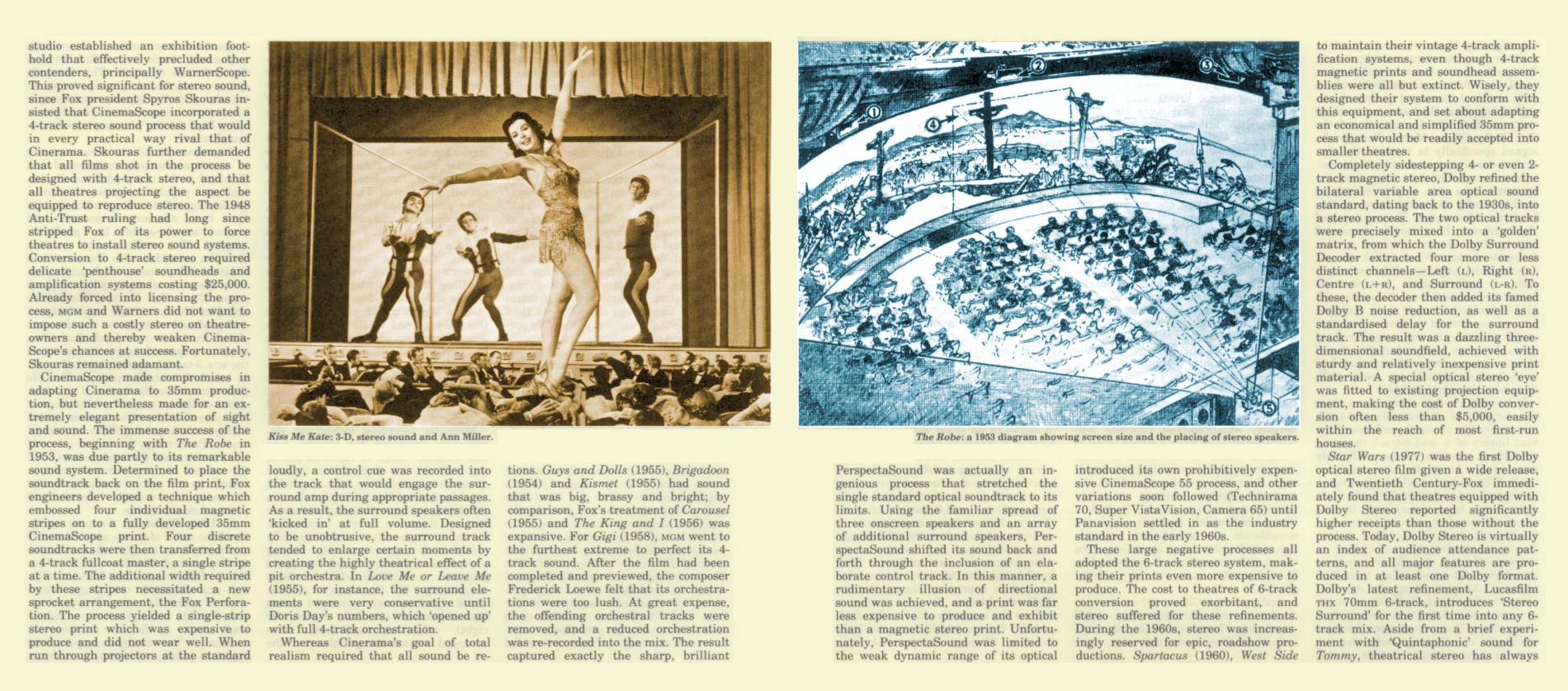
Plus, a really worthwhile read… a key article for just about anybody trying to understand the evolution of film sound, and the history of studios preserving (or not preserving) the riches of their film vaults. It’s from Sight and Sound, 1988, and it’s written by Michael Arick, who I would later work for as an editor for quite a few years.
The article was written before studios had film restoration departments. If I remember the story correctly, Michael was hired by Warner Bros. to spearhead special preservation and restoration projects partly on the reputation of this one piece of writing. Michael made a big contribution to the restoration of the 1954 Judy Garland A Star Is Born, and was instrumental in recovering elements that made possible the restoration/revision/multiple versions of Ridley Scott’s Blade Runner.
The article makes mention of a list of Warners’ movies from the middle 1950s for which there was no surviving 4-track stereophonic audio. Later on, Michael Arick would find an ingenious way to recover many of those original 4-track recordings, just in time before they disintegrated, became unplayable. That’s why we can now hear perfect preserved stereo tracks for classics like Elia Kazan’s East of Eden. The recovered original 4-track stereo audio for Howard Hawks’ Land of the Pharaohs doubles its appeal.
The article hasn’t dated much at all. It is a clear and concise technical history, with the kind of side information that helps to connect the dots on what one already knows about movie audio. The article starts on page 43 and is titled
Thanks for reading! — Glenn Erickson