
CineSavant Column
… D-Day.
Hello!
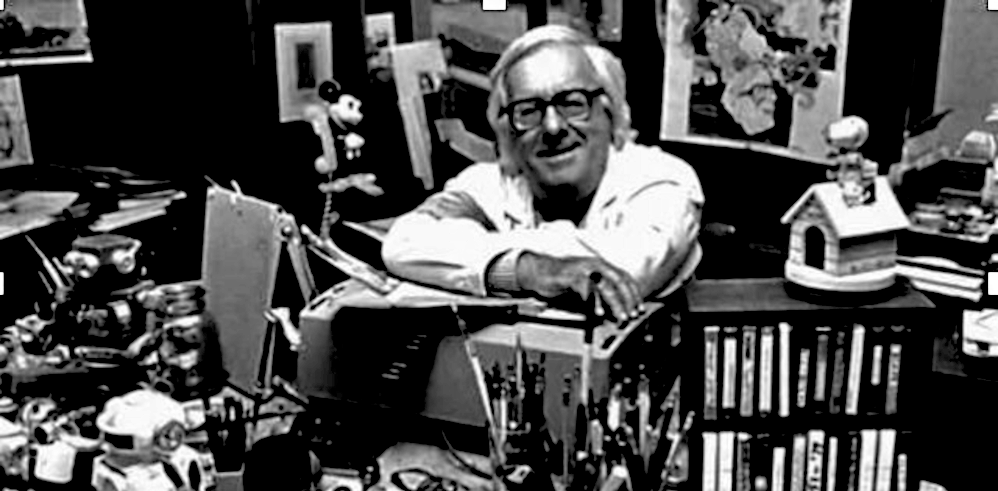
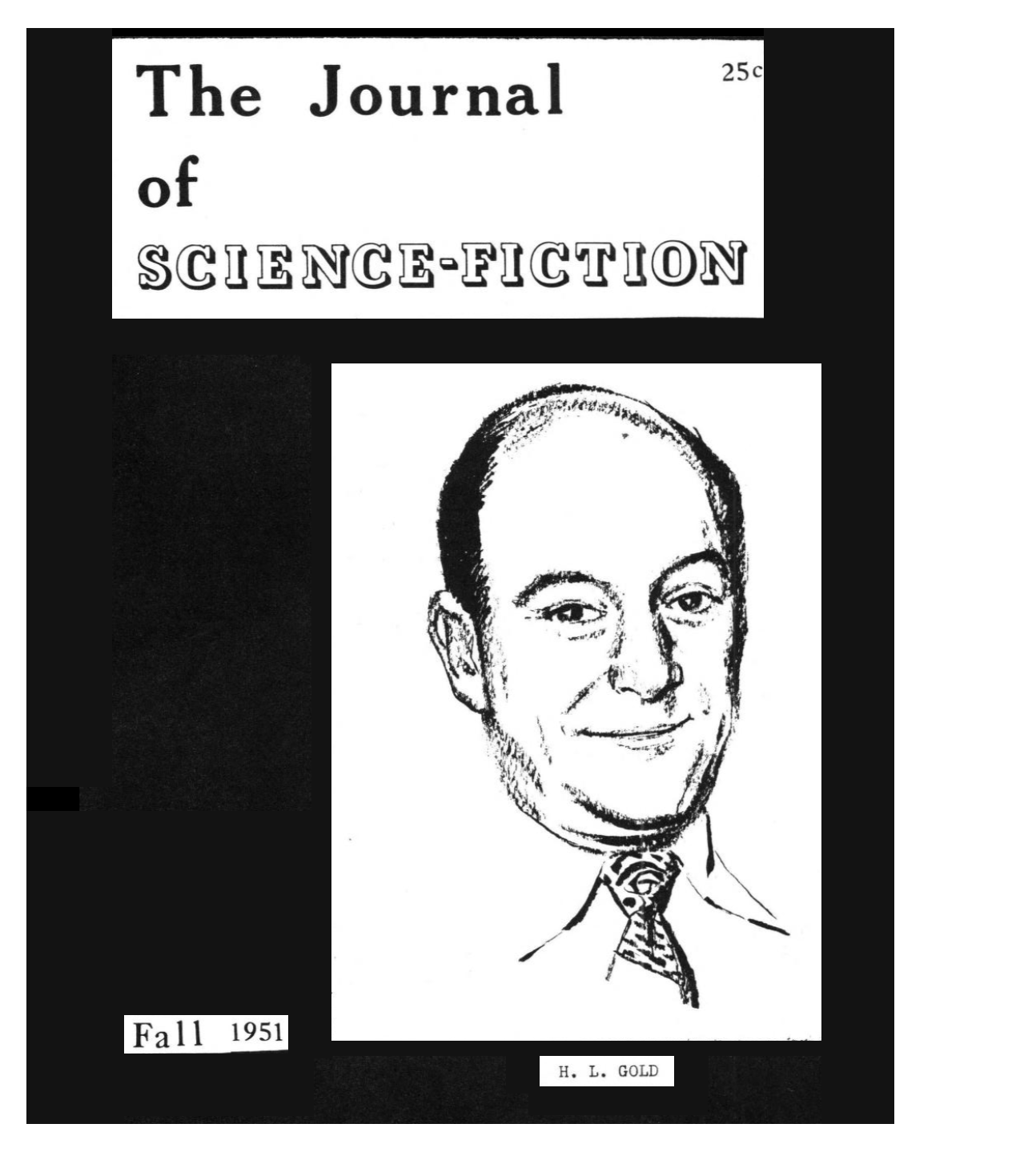
The ever-dependable Darren Gross sends us a real winner. The fledgling magazine Journal of Science Fiction began publishing in 1951, with intial entries contributed by Robert Bloch (‘Immodest Proposal’), Fritz Leiber (‘Hornbook for the Atomic Age’) and Ray Bradbury (‘Where Do I Get My Ideas?’).
One of the debut ‘zine’s three editors was none other than … drum roll … wait for it …Edward D. Wood, Jr.. He has his own short article, coming in right after Ray Bradbury’s, entitled ‘The Case Against Bradbury.’
Yes, it’s true, the writer of the immortal Glen or Glenda? weighs in on the literary fraud being perpetrated on the publishing world by Ray Bradbury. As Gary Teetzel says, ‘It’s hard to argue with Wood, the author of ‘Parisian Passions’ and ‘Sideshow Siren.’
It’s pretty good reading … the Internet Archive carries the entire magazine, in all its hand-typed glory. Boy, good ol’ Ed sure puts that pretender Bradbury in his place.
” You’ve Got to Take the Journey Out and In. “
And we drift over to the London Review of Books for an article forwarded by Joe Dante. It’s a new piece by Malcolm Gaskill that’s actually a review of a movie, the Ealing Studios masterpiece Dead of Night. That great movie finally received a handsome disc remaster a while back. We reviewed 4K releases from both StudioCanal and Kino last winter.
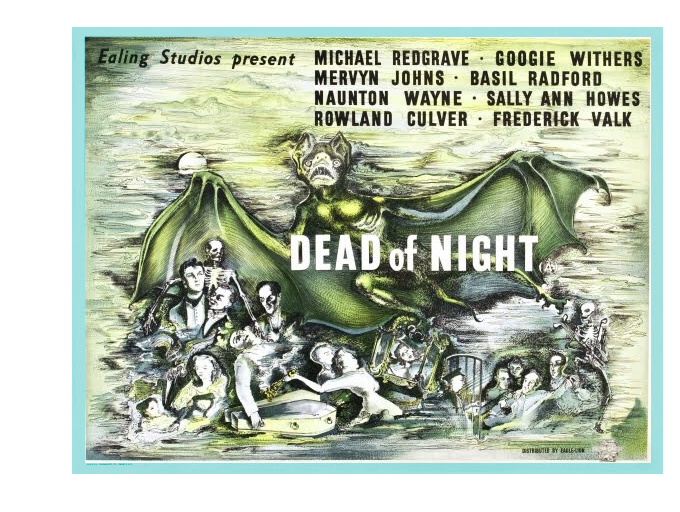
Most of the article is a simple review that explains the story (gee, I never do that). But Gaskill soon steers the subject to the difficulties horror films encountered in England, mainly because of censorship. Influential pundits and bluenoses made it happen, it wasn’t because the moviegoing public hated horror … English literature is famed for its chilling ghost stories. Since censor boards might ban individual films right before they were set to play, distributors stopped importing them.
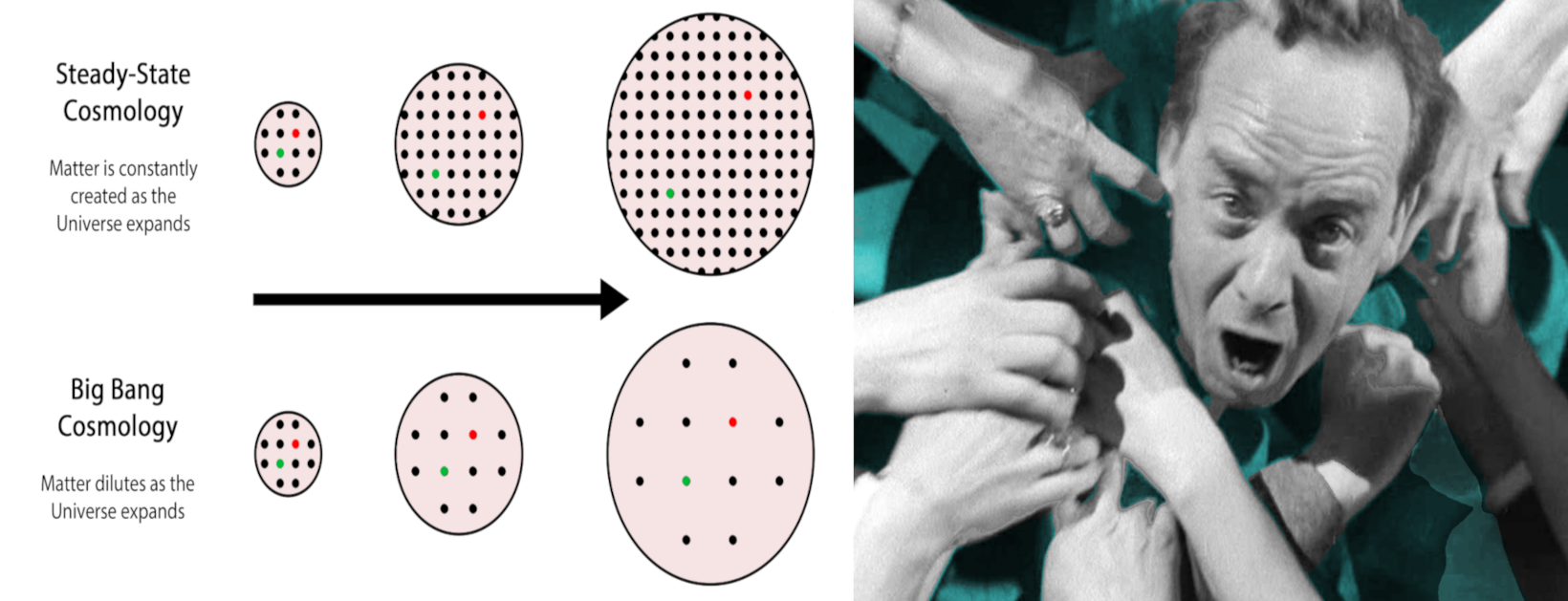
Gaskill’s remarks about post-war anxiety and kitchen-sink vérité cinema are interesting, but he ends with a quite a surprise — he states that Dead of Night’s unnerving circular story structure provided the inspiration for mathematician Hermann Bondi to re-think his theories for a model of the entire universe. The theory was first published in 1948, shared by Bondi, Thomas Gold and Fred Hoyle.
Collaborator Fred Hoyle was also a science fiction author and screenwriter (!) — of the conceptually brilliant A For Andromeda, that we just happened to mention in a review last week.
These ‘random’ connections begin to get dizzying. Will the fruity old actor Miles Malleson poke his head out of a celestial Black Hole, and say “Room for one more inside, sir!” ?
Thanks for reading! — Glenn Erickson