
CineSavant Column
Hello!
It’s Book Review time, and this week’s offering is pretty special. Unlike many film-related books, we read this one front-to-back straight through. It felt more like a good novel than a career bio.
We’ve been privileged to review filmmaker biographies written by Joseph McBride and Alan K. Rode, and now we have a new authoritative voice covering a classic director, Jason A. Ney. The subject is a director with a remarkable career, whose achievements were passed over by the rush of Auteur worship initiated by Andrew Sarris in 1968. Sarris slammed Fleischer as inconsistent, with a career that he said ‘sputtered, alas, at less than 50 percent efficiency.’ Ney’s new book Richard Fleischer: Journeyman uses a less narrow index to assess the director’s work, enlarging his stature in our eyes. Never a hog for publicity, Fleischer’s goal was just to make the best movies he could. He didn’t trumpet his personality, but Ney shows us several themes that run through his work.
The new book Journeyman also corrects some misconceptions borne of Richard Fleischer’s own 1993 autobiography, Just Tell Me When to Cry: A Memoir. As now seems typical of the man, instead of touting his own accomplishments, Fleischer recounted the outsized filmic personalities he worked with, celebrities that would appeal to a wider swath of readers. He didn’t dwell on the details. Jason Ney has found a way to turn Fleischer’s remarkable personal story into a page-turner. The early chapters covering his roots and upbringing are not something we want to skip past; the passages about his courtship of his wife — their marriage lasted 63 years — are a great read. Fleischer is of course a son of the animation legend Max Fleischer. He might have become the heir to a film studio if his dad’s empire of Popeye and Betty Boop hadn’t been taken over by Paramount, and re-dubbed ‘Famous Studios’ to replace the family name. He was part of a warm and loving family that started poor but kept moving to better neighborhoods in the New York boroughs as Max and his brothers’ fortunes rose.

Author Ney convinces us that Richard succeeded through his own efforts, first in college theater and then in various road companies, where he experimented with Theater In the Round. He confected a way to repurpose old silent comedies as new attractions, and made his first mark in short subjects and documentaries. He collaborated with talents like Theodore Geisel (Dr. Seuss), Carl Foreman and producer Stanley Kramer. One of documentaries won an Oscar — which went to its producer, of course. Fleischer was never personally nominated. One of his shows was nominated for its writing, and three others for their special effects.
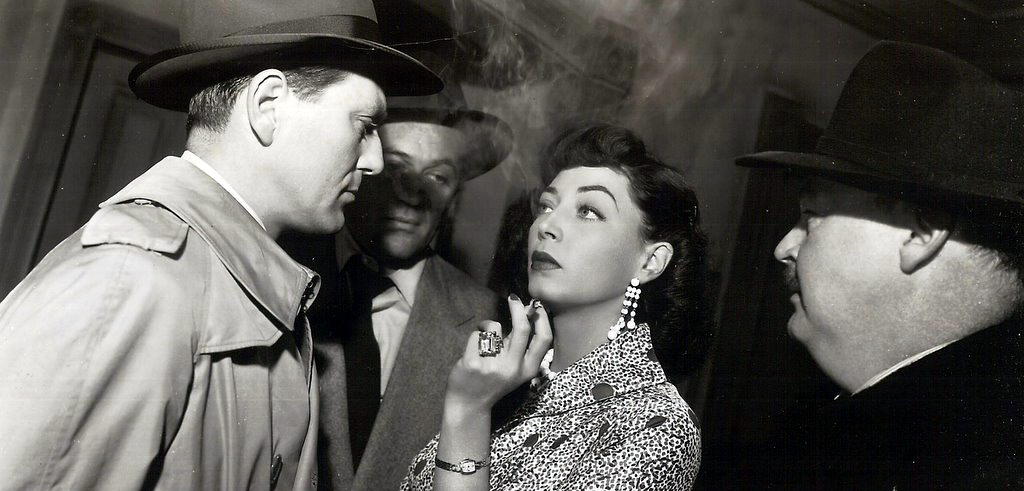
Many know the way Richard Fleischer came to direct the huge production 20,000 Leagues Under the Sea — for Walt Disney, his father Max’s long-time business enemy. And we’ve only heard one side of Fleischer’s direction of Compulsion, prevailing against the egotistical interference and outright sabotage by his star Orson Welles. But Fleischer didn’t detail his early successes at RKO, moving from family films to noir thrillers. That’s where he made his first masterpiece The Narrow Margin, which Howard Hughes almost junked. He re-shot much of a big Robert Mitchum-Jane Russell opus without credit, to get out of his contract with Hughes. He was one of the few RKO staffers to leave the employ of Howard Hughes with a full skin, a maneuver that enhanced his industry reputation. Walt Disney picked him for the Verne Sci-fi epic, because he was capable, qualified and trustworthy … and likely a bargain.
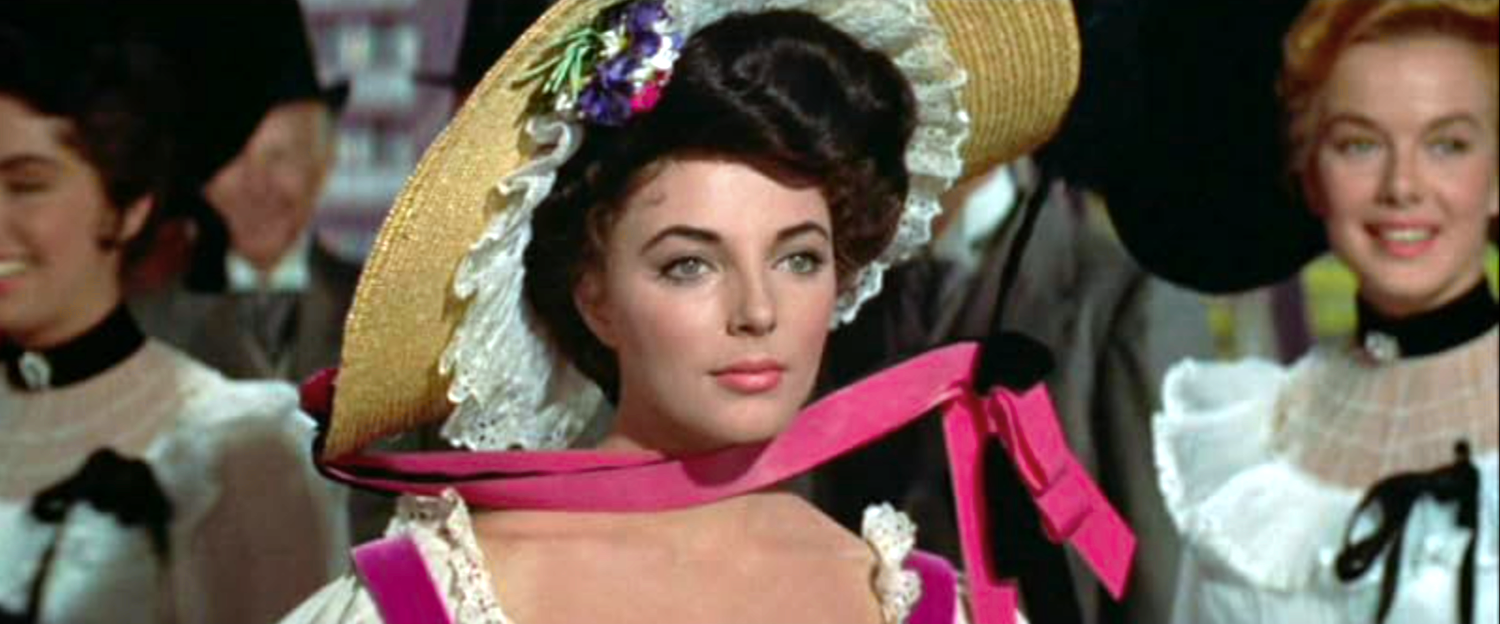
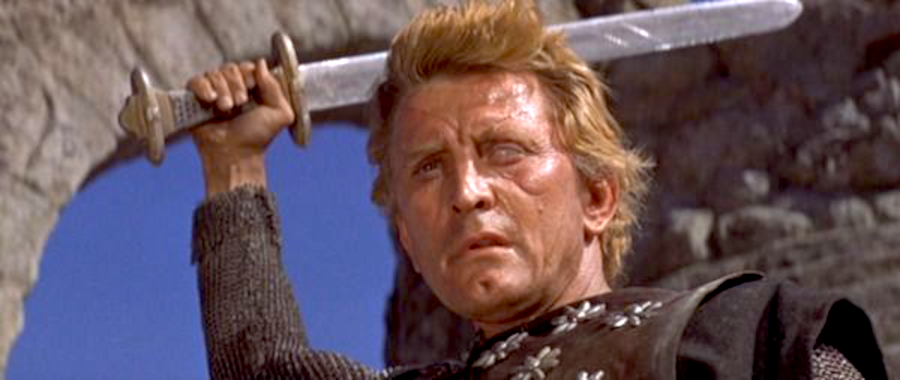
Through all of this Richard Fleischer comes off as an even nicer guy than we thought. His patience with problem people and his skill at interpersonal diplomacy sound almost too good to be true. Much like director John Sturges, Fleischer became known for getting along with demanding and sometimes unreasonable stars and producers. Besides Orson Welles, there was the imperious Anthony Quinn and the infinitely egotistical Kirk Douglas. We get a full accounting of the sometimes-edgy filming of The Vikings. The prize for noxious charmlessness goes to the infinitely insufferable Rex Harrison. I’ve never made it through a full viewing of Doctor Doolittle, but Ney’s account of its filming will make anyone appreciate Fleischer’s refusal to just give up and ‘let it be what it is.’ He never walked off a picture, and his temperament kept several troubled pictures on the rails.
John Huston also failed Sarris’s Auteur Test; both directors varied their subject matter and didn’t pepper their work with too many personal references. Fleischer wasn’t one to billboard his directing personality. He was good at most everything; the lamest criticism I’ve read said that he got the directing nod when somebody needed a specialist in submarines and sea-going effects.
Fleischer spent most of his career as a free agent, working steadily because he was in demand, and not just an available asset on a studio’s payroll. He did good work on projects other directors might have turned down, such as the sprawling, historically accurate epic Tora! Tora! Tora!. Its pre- CGI action effects are filmed on a spectacular scale, right where the events happened. Some of Fleischer’s best movies are his least well-known: Trapped, Violent Saturday, The Girl in the Red Velvet Swing, Barabbas, The Last Run. His late career was sustained in part by his ability to cooperate with producer Dino De Laurentiis, but he also turned in some mature masterpieces. Fleischer made the best dramatic use of split screen effects in The Boston Strangler. He then directed the over-achieving English true-crime story 10 Rillington Place, a tragedy so forceful that it’s difficult to watch.
Writer Ney had the cooperation of the Fleischer family, and was encouraged to be as truthful as possible. We do read of some of the director’s less than optimal choices. Like most established directors in the ’70s and ’80s he had to defend his turf against those who had never heard of his older movies. His physical decline was steep, but he was always surrounded by a loving family. His final farewell with his wife was as touching as anything from a sentimental romance.

At all times in Journeyman we feel we’re dealing with a forthright personality making the best of his opportunities, and trying to do his best work without abusing those around him. I have to admit that I began the book with a high opinion of director Fleischer. Working on a big feature that reunited his special effects crew from Tora! Tora! Tora!, I was befriended by the effects ace A.D. Flowers; his pros remembered Fleischer as one of the best filmmakers they ever worked with. And I still remember film writer Stuart Galbraith IV’s account of recording an audio commentary for a DVD of Tora! Tora! Tora!: after taping the entire 2.5 hour track with Fleischer, the Fox people told Stuart that a mistake had been made, that the session hadn’t been recorded at all. To Stuart’s surprise, when he gave Fleischer the bad news, the 85+ year-old director simply said, “let’s go back tomorrow and do it again.”
Every chapter backs up that impression of Richard Fleischer. Journeyman tells the story of the making of twenty interesting pictures, but it also gives us a positive personality that we wish we had known.
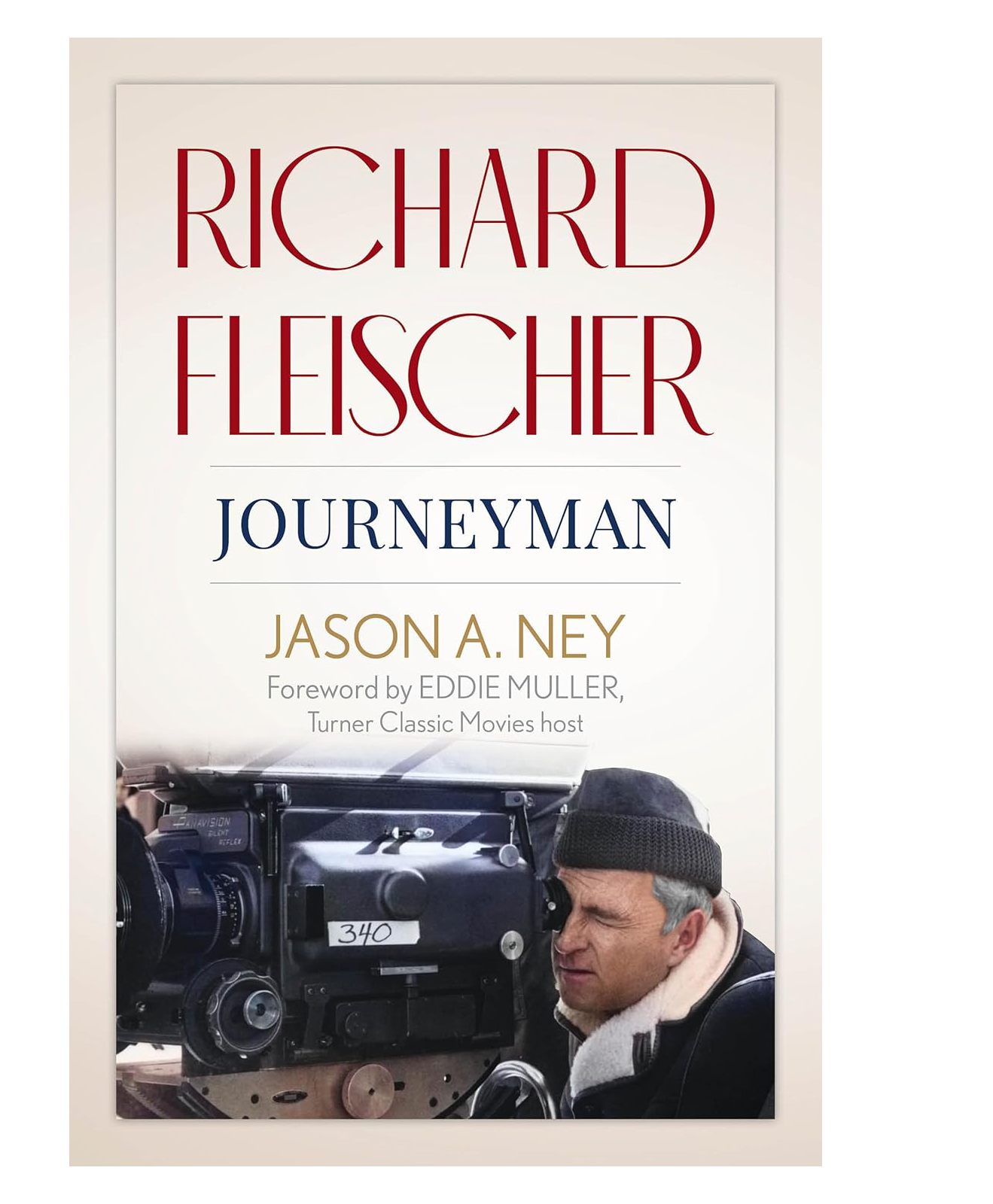
Here is the sales page for Ney’s book directly from The University of Kentucky Press. It was published three weeks ago, on May 12:
Thanks for reading! — Glenn Erickson